
 By
By 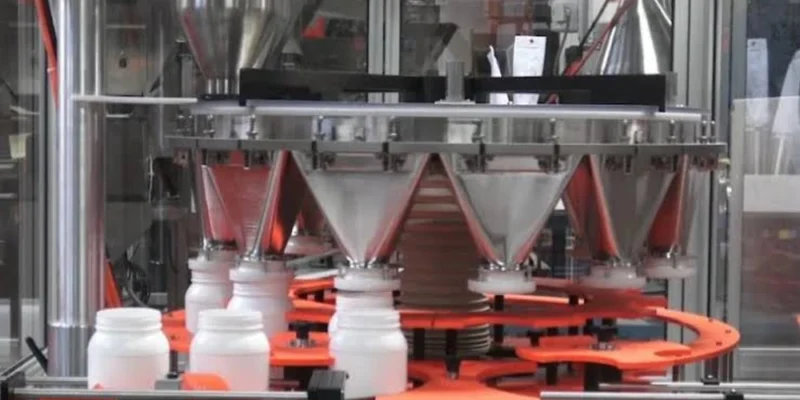
Volume-based filling is often assumed to be accurate enough for most products, since a set dose should, in theory, always weigh the same. In reality, temperature shifts, air entrainment and product density changes mean a fixed volume can vary in weight from batch to batch, which is exactly the gap an automatic weighing and filling machine is built to close by measuring the thing that actually matters on the label: weight, not volume.
Why Volume Alone Can Be Misleading
A litre of a viscous product at a warm ambient temperature can weigh noticeably less than the same litre measured after cooling, since density shifts with temperature and with how much air gets whipped into the product during handling. A purely volumetric filler has no way to detect or correct for that variation cycle by cycle. Over a full production run, these small deviations can accumulate into a batch that reads as consistent on the filler’s own gauge but fails a customer’s weight audit.
How Inline Weight Verification Works
A check-weigher integrated directly into the filling sequence weighs each container immediately after dosing and feeds that reading back to adjust the next fill, rather than relying on a periodic manual spot check. This closed-loop correction catches drift within a handful of cycles instead of an entire shift. Operators typically see this correction happen automatically, with no need to pause the line or intervene manually once the system is calibrated.
Where Weight-Based Filling Matters Most
Products sold by declared weight rather than volume, along with any formulation where density varies noticeably between batches, benefit most from this approach. Thick sauces, creams, powders and products with suspended particulates are typical examples where a purely volumetric system struggles to hold consistent accuracy. Manufacturers switching suppliers for a key raw ingredient should also expect density to shift slightly, which is exactly the kind of change weight-based filling absorbs automatically. Products with a wide acceptable density range on paper can still fail a customer’s own incoming inspection if the actual variation is left unmanaged.
Regulatory and Compliance Considerations
Products labelled with a declared net weight are subject to weights and measures regulations, and consistent underfilling can expose a manufacturer to compliance action even if it was unintentional. Weight-based verification gives a defensible record showing each batch was checked against the declared figure, not just assumed correct. That record can also become useful evidence if a customer disputes a shipment’s declared weight after the fact.
Reducing Product Giveaway
Manufacturers often overfill deliberately as a buffer against underweight complaints, which adds up to a meaningful volume of free product given away across a large production run. An inline check-weighing filler narrows that buffer considerably by correcting drift in real time rather than requiring a wide safety margin. Even a small reduction in average overfill, multiplied across a high-volume run, can represent a meaningful saving in raw material cost over a full year.
Handling Products With Variable Density
Formulations that change slightly batch to batch, whether from ingredient sourcing, temperature or mixing time, are exactly where volumetric filling shows its limits. A weight-based system adapts automatically to that variation without needing an operator to recalibrate the fill volume manually each time a new batch starts. This is particularly valuable for manufacturers who reformulate products seasonally or in response to ingredient availability.
Integration With Existing Production Lines
Inline weighing stations are generally designed to slot into an existing conveyor sequence rather than requiring a full line rebuild, which makes retrofitting more practical than manufacturers often expect. Confirming conveyor speed compatibility and container stability at speed are the main technical checks before installation. Most retrofits can be completed over a planned maintenance window rather than requiring an extended production shutdown.
Data Logging for Quality Assurance
Because every container is weighed rather than sampled, the system generates a complete weight record for the full production run rather than a handful of spot checks. This full dataset is considerably more useful during a customer audit or an internal quality review than an occasional manual reading. It also makes it possible to spot a slow drift developing over several shifts, well before it would show up in a periodic manual sample.
Maintenance and Calibration Requirements
Load cells and weighing sensors need periodic calibration against certified reference weights to stay accurate, and this should be scheduled rather than left until a discrepancy is noticed downstream. A documented calibration routine also supports the traceability record that regulated manufacturers need to maintain. Vibration and temperature near the weighing station can also affect sensor accuracy over time, so siting the equipment away from heavy machinery is worth considering during installation.
Choosing the Right Weighing and Filling Setup
Assess how much your product’s density actually varies batch to batch before deciding whether volumetric filling is good enough or whether weight-based verification is worth the extra investment. For manufacturers working with declared-weight products or formulations that shift with temperature, an automatic weighing and filling machine typically pays for itself through reduced giveaway and fewer compliance risks within the first year of use.





Comments