
 By
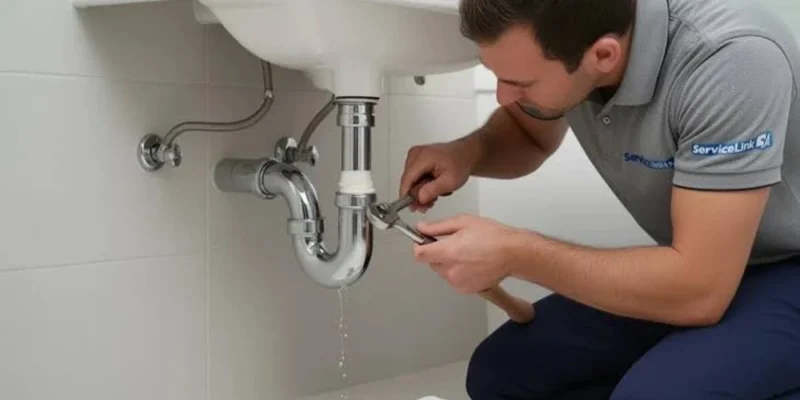
Persistent seepage is frustrating precisely because it keeps returning. Owners repaint, reseal a tile joint or patch a crack, and a few weeks later the damp patch is back. The problem is rarely the repair itself. It is usually that nobody found where the water was actually coming from. A water leakage specialist singapore approaches the job as an investigation first, gathering evidence about the source before recommending any work, because a fix that misses the cause will always fail.
Why Seepage Keeps Coming Back
Water inside a building can come from many directions: through the roof, external walls, bathroom floors above, windows or concealed pipes. The visible damp patch is only where the water surfaces. Surface repairs such as repainting or sealing a joint hide the symptom for a while, but water keeps moving behind the finish until it finds a way out again, often nearby.
Signs That Point to Different Sources
The way damage appears offers early clues about its origin. Specialists look at patterns such as:
- Damp that worsens during rain, suggesting roof, wall or window entry
- Damp that persists in dry weather, suggesting a pipe or plumbing source
- Stains on ceilings below bathrooms, pointing to failed floor waterproofing
- White salt deposits or flaking paint, showing long-term moisture
- Spalling concrete, where steel inside has started to rust
Starting With a Conversation
A good investigation starts with questions. When did the damp first appear, does it change with weather, has there been any renovation above or nearby, and what repairs have been tried already? This history often rules out several sources before any equipment is used. Dated photographs taken by the owner over weeks or months are especially useful, since they show how the problem has grown.
Moisture Mapping
Moisture meters measure dampness in walls, floors and ceilings, allowing the specialist to map where water is concentrated. The wettest point is usually closer to the source than the visible stain. Readings taken across a wide area show the direction of spread. This mapping is quick, non-destructive and narrows the search considerably before any more involved testing begins.
Thermal Imaging
Thermal cameras detect temperature differences on surfaces. Wet areas usually appear cooler than dry ones because evaporation draws heat away, so concealed moisture often shows up clearly. Thermal imaging can also reveal the route of hot or cold water pipes within walls. A water leakage specialist singapore will typically use it alongside moisture readings, since each method confirms and refines the other.
Water and Dye Testing
When instruments point to a likely source, controlled testing confirms it. Common methods include:
- Ponding water on a bathroom floor to test its waterproofing layer
- Spraying a window or wall section to check for entry
- Adding dye to water so its path can be traced
- Isolating and pressure testing water pipes
Testing one possibility at a time turns suspicion into evidence.
Concealed Pipe Leaks
Leaks from pipes inside walls or floors can be the hardest to locate, especially when they run continuously at low pressure. Pressure tests show whether a pipe section is losing water, and acoustic or thermal methods can help locate the point of failure. Finding it precisely matters, because it limits how much tiling or plaster needs to be removed during repair.
External Walls and Window Frames
Not all seepage starts in a wet area. External walls exposed to driving rain can let water in through hairline cracks, failed sealant around window frames or gaps where air conditioning pipes pass through. These leaks often appear only during storms from a particular direction, which makes them easy to misread as roof or plumbing faults. Spray testing a wall section or window from outside while watching the interior is the usual way to confirm them. Repairs typically involve resealing frames, treating cracks and applying a breathable water-repellent coating to the facade.
Shared Walls and Floors Between Units
In apartments, seepage often comes from a neighbouring unit, especially from a bathroom above. Diagnosis then involves access to someone else’s property, so a clear, documented investigation is valuable. Written findings with photographs and test results help neighbours and management agree on where the source is and who is responsible for repairing it.
Why Early Investigation Saves Money
Seepage left alone tends to grow more expensive. Water reaching steel reinforcement causes it to rust and expand, cracking the concrete around it and leading to spalling that needs structural repair. Damp walls encourage mould, damage electrical fittings and ruin carpentry such as built-in wardrobes. A professional investigation costs far less than the repairs that follow years of neglect, so it is worth arranging as soon as a damp patch reappears after a simple repair has failed.
What to Expect From the Report
A useful report lists the methods used, the readings and test results, the confirmed or most likely source and the recommended repair. It should separate what was proven from what is suspected. This clarity helps you compare repair quotes on the same basis and avoid paying for work that targets the wrong area.
Moving From Diagnosis to Repair
Ask any specialist how they will confirm the source before quoting for repairs, and request the findings in writing. A provider offering a structured leak detection and seepage repair service that separates investigation from repair, explains its evidence and warrants its work is usually the most reliable way to end a recurring damp problem for good.


Comments