
 By
By 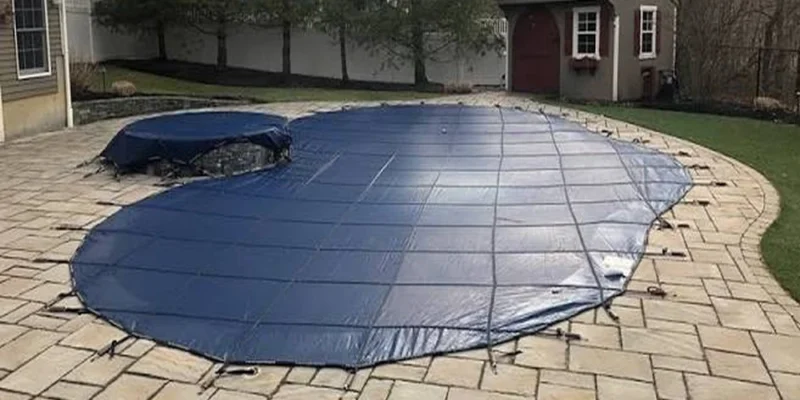
Every October the same backyard debate starts up. The swim days are clearly over, but the water still looks clear and inviting. Part of you wants to pull the cover on and forget about it until May. Another part wonders if shutting everything down is more trouble than it’s worth.
Both choices can work. The one that fails is the decision made by default, where the pump just keeps humming and nobody plans for the first hard freeze. Owners who talk through this with a team like Polland Pool usually find that the answer depends less on preference and more on climate, equipment, and how much attention they’re willing to give the water between now and spring.
Let the Thermometer Speak First
Local weather decides most of this before you do. In places where nighttime temperatures regularly drop below freezing and stay there, a full closing is almost always the safer route. Water left sitting in pipes, pumps, filters, and heaters expands when it freezes, and a cracked pump housing or split return line in January is an expensive spring surprise.
In milder regions, where a freeze shows up for a night or two and then retreats, many owners keep the system running through winter. Moving water resists freezing, and most modern variable speed pumps and automation panels have a freeze protection setting that switches the pump on when the air gets cold.
Water temperature also matters for timing. Algae slows down sharply once the water stays below about 65 degrees, so owners who close their pools generally wait for that point. Close too early, while the water is still warm, and you may open the cover in spring to a green surprise.
What a Proper Shutdown Really Involves
Closing a pool is more than putting a cover on. A thorough winterization usually covers these steps:
- Balancing the water chemistry a few days ahead, so the water sits with steady pH, alkalinity, and calcium levels for months
- Shocking the water and adding a winter algaecide or a closing chemical kit
- Lowering the water level below the skimmer opening, by an amount that depends on the cover type and the pool surface
- Blowing the water out of the plumbing lines and plugging the returns and skimmers, often with pool antifreeze added to the lines
- Draining the pump, filter, heater, and chlorinator, and removing their drain plugs so nothing traps water
- Cleaning the filter thoroughly before it sits idle
Skipping even one of these steps can undo the rest. A heater left with water inside is one of the most common cold weather losses, mostly because people forget it holds water at all.
Why Some Owners Keep the Water Moving
Keeping a pool open through winter has real advantages, and they go beyond the occasional sunny swim. You skip the cost and labor of closing in fall and reopening in spring. You also avoid the murky spring opening that can take a week of shocking, brushing, and filter cleaning to sort out.
The tradeoff is ongoing attention. An open pool still needs regular chemistry checks, although cold water uses chlorine much more slowly. Leaves and debris keep landing in the water and need skimming. The pump runs longer during cold snaps, which adds to the power bill, and you have to trust the freeze protection to work during a power outage, which it can’t.
Owners who travel for long stretches over the holidays should be especially careful here. An open pool left unwatched for three weeks during a cold spell is exactly the situation that leads to cracked equipment.
Covers Shift the Math in Both Directions
Whatever you decide, the cover deserves real thought. For closed pools, the choice usually comes down to mesh or solid safety covers. Mesh lets rain and snowmelt drain through, so there’s no standing water to pump off, but fine dirt also passes through and the spring water tends to come back cloudier. Solid covers block sunlight and debris almost completely, which keeps the water cleaner, but they collect water on top that has to be removed during the season. Any cover sold as a safety cover should meet the ASTM F1346 standard, which matters a great deal for homes with kids or pets.
For pools that stay open and heated, a cover is the single biggest way to save money. The U.S. Department of Energy’s guidance on swimming pool covers points out that evaporation is the largest source of heat loss from a pool, and covering the water when nobody is using it cuts both heating costs and chemical use. Heating an uncovered pool in December is close to warming the sky directly.
Comparing the Real Costs
People often assume that closing is the cheap option, and in cold climates it usually is. But the costs are spread out differently between the two approaches.
A closed pool has a fixed cost up front for chemicals, labor, and possibly a professional winterization visit, followed by another round of expense at the spring opening. Between those two dates, it costs almost nothing.
An open pool trades those two peaks for a steady drip of electricity, chemicals, and time. In a mild climate with an efficient variable speed pump, that drip can stay quite small. With an older single speed pump or a heater running, it adds up quickly.
The hidden cost on both sides is a mistake. A badly closed pool can mean freeze damage. A neglected open pool can mean an algae bloom that stains plaster or damages a vinyl liner.
A Middle Option Few People Consider
In borderline climates, some owners go with a partial close. The pump and filter stay connected, the water stays a bit lower than usual, the chemistry is balanced for a long rest, and the pump runs only on a short timer plus freeze protection. A cover keeps out most of the debris.
This approach suits regions that see occasional frost but rarely a deep, sustained freeze. It keeps the water in decent shape for spring while cutting most of the running costs. It does depend on reliable power and a pump that can be trusted to start on its own when temperatures drop.
The Choice That Pays Off in Spring
The best way to judge this decision is to picture opening day. A pool that was closed properly in a cold region should come back with fairly clear water and equipment that starts right up. A pool that stayed open in a mild region should need little more than a good brushing and a filter clean.
If your last few springs started with green water, cracked fittings, or a pump that wouldn’t prime, that suggests the winter plan didn’t fit your climate or your schedule. Fall is the right time to rethink it, before the first freeze makes the decision for you.


Comments