
 By
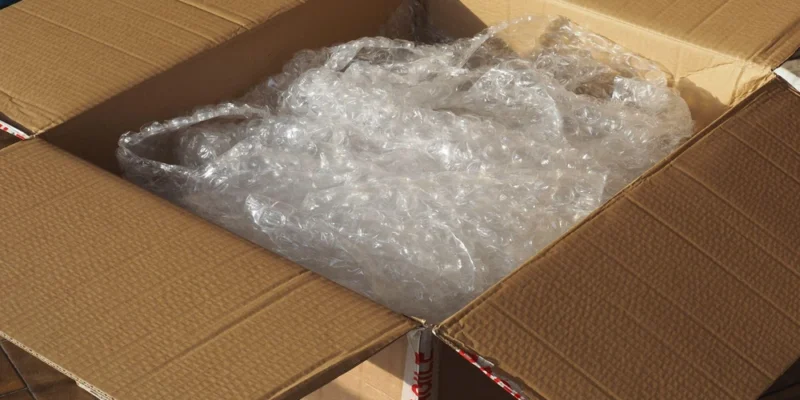
Void fill decisions tend to be made on material cost per unit, which is the easiest figure to compare and among the least informative. What actually determines the right system is how much protection the product genuinely needs, how much floor space the operation can give to packaging supplies, and how fast packers need to work. A material that costs less per cubic metre and takes three times as long to apply is not cheaper. Five options cover most of what packaging supervisors evaluate when comparing void fill solutions in Singapore for fragile goods.
1. Paper Void Fill
Crumpled or folded kraft paper, dispensed from a machine at the packing bench. It conforms reasonably around irregular shapes, provides moderate cushioning, and is straightforward for packers to use without training.
Its advantages are recyclability and customer perception, both of which matter increasingly for consumer-facing shipments. Its limitation is protection level: paper absorbs moderate impact and does less for genuinely delicate items than alternatives.
Storage footprint is modest since paper arrives on rolls or in fanfold boxes and expands at the point of use.
2. Air Pillows
Inflated on demand from flat film, which makes the storage advantage substantial. A roll of uninflated film occupies a fraction of the space the inflated volume would.
Air pillows fill space efficiently and are extremely light, which helps with dimensional weight charges. They provide void fill rather than true cushioning, meaning they stop an item moving but transmit impact more readily than denser materials.
They also depend on a machine working. Operations relying on air pillows should hold sufficient inflated stock or backup material for when the equipment is down.
3. Foam-in-Place
Expanding foam is dispensed into the carton around the product, forming a custom mould as it cures. This provides the highest protection level of the common options and suits genuinely fragile, high-value, or irregularly shaped items.
The trade-offs are cost per package, cure time at the bench, and operator training. Among packaging machines in Singapore this category carries the most equipment complexity and the most meaningful handling requirements, which makes it worth confirming ventilation, material handling, and training requirements with a supplier before committing rather than treating it as a straightforward bench upgrade.
4. Moulded or Die-Cut Inserts
Pre-formed inserts in corrugated, moulded pulp, or foam, made to fit a specific product.
Protection is excellent and packing is fast, since there is no material to measure or apply. The limitations are inflexibility and storage: inserts are product-specific, require tooling, and occupy considerable warehouse space.
This suits operations shipping a small number of consistent products at volume, and suits variable product mixes poorly.
5. Loose Fill
Loose particles poured around the product. Inexpensive per volume, fast to apply, and conforms to any shape.
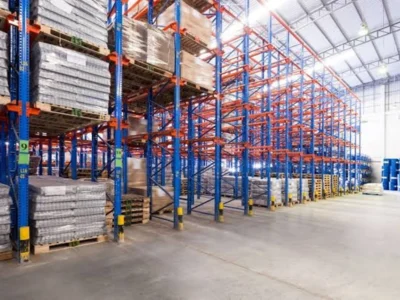
The drawbacks are well known: it migrates during transit, allowing products to settle; it is messy at both ends; and it requires substantial storage volume. Many consumer-facing operations have moved away from it on customer experience grounds regardless of its cost advantage.
Testing Against Your Actual Shipping Conditions
The reliable way to choose is drop testing your actual products in your actual cartons with each candidate material, rather than relying on protection ratings.
Factor in what each system costs per package, including labour time at the bench, not material alone, and how much storage each requires at current volumes. Many operations end up running two systems, using a lighter option for robust items and something more protective for the fragile minority, which usually costs less overall than applying the highest protection level to everything.
Contact Sunstream Industries to test void fill options against your products and packing throughput requirements.


Comments